
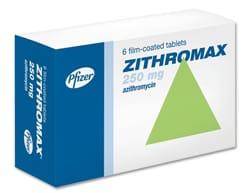
Zithromax (Azithromycin): Uses, Dosage, Side Effects, and More

What is Zithromax?

zithromax be recepto Zithromax is the brand name for the antibiotic azithromycin. It belongs to a class of antibiotics called macrolides, which work by stopping the growth of bacteria. Zithromax is used to treat a wide variety of bacterial infections, including: Zithromax is available by prescription only and comes in several forms, including tablets, oral suspension (liquid), and injectable solution. It's often prescribed as a Z-Pak, which is a 5-day course of treatment.

How Zithromax Works

Azithromycin, the active ingredient in Zithromax, works by binding to the 50S ribosomal subunit of susceptible bacteria. This prevents the bacteria from producing proteins that are essential for their growth and survival. By stopping bacterial protein synthesis, Zithromax effectively kills the bacteria or prevents them from multiplying. Unlike some other antibiotics, Zithromax is considered bacteriostatic rather than bactericidal. This means it stops bacteria from growing rather than directly killing them. The body's immune system then works to clear out the weakened bacteria.

Uses of Zithromax

Zithromax is FDA-approved to treat the following infections when caused by susceptible bacteria: It's also used off-label for other infections. A doctor may prescribe Zithromax if they determine it's an appropriate treatment based on the specific bacteria causing the infection.

Dosage and Administration

The typical adult dose of Zithromax depends on the type and severity of infection being treated. Some common dosing regimens include:
Condition Typical Dosage
Community-acquired pneumonia 500 mg on day 1, then 250 mg daily on days 2-5
Acute bacterial sinusitis 500 mg daily for 3 days
Uncomplicated skin infections 500 mg on day 1, then 250 mg daily on days 2-5
Urethritis/cervicitis 1 gram (1000 mg) as a single dose
Zithromax can be taken with or without food. The oral suspension should be shaken well before measuring each dose. It's important to take Zithromax exactly as prescribed by your doctor. Do not stop taking it early, even if you start feeling better. Stopping the antibiotic too soon can allow bacteria to continue to grow, which may result in a return of the infection.

Side Effects

Like all medications, Zithromax can cause side effects. The most common side effects include: These side effects are usually mild and go away on their own. However, there are some more serious potential side effects to be aware of:

Severe allergic reactions

Although rare, some people may experience a severe allergic reaction to Zithromax. Symptoms can include: Seek immediate medical attention if you experience these symptoms.

Liver problems

Zithromax can sometimes cause liver problems. Contact your doctor right away if you notice symptoms of liver issues, such as:

Heart rhythm changes

In rare cases, Zithromax may cause changes in heart rhythm, including a potentially serious condition called QT prolongation. Seek medical attention if you experience:

Drug Interactions

Zithromax can interact with several other medications. Some of the most significant potential interactions include: Always inform your doctor and pharmacist about all medications you are taking, including over-the-counter drugs and supplements.

Precautions

Pregnancy and breastfeeding

Zithromax is generally considered safe during pregnancy, but you should discuss the potential risks and benefits with your doctor. It is known to pass into breast milk, so caution is advised if breastfeeding.

Liver disease

Zithromax is processed by the liver. If you have liver problems, your doctor may need to adjust your dose or monitor you more closely.

Myasthenia gravis

Zithromax may worsen symptoms of this neuromuscular disorder. Use with caution if you have myasthenia gravis.

Long QT syndrome

This heart rhythm disorder increases the risk of serious heart problems with Zithromax. Your doctor may choose a different antibiotic if you have this condition.

Comparison to Other Antibiotics

Zithromax is often compared to other commonly prescribed antibiotics. Here's how it stacks up:
Antibiotic Class Advantages vs Zithromax Disadvantages vs Zithromax
Amoxicillin Penicillin Cheaper, good for strep throat More frequent dosing, not effective for atypical bacteria
Doxycycline Tetracycline Good for Lyme disease, acne Cannot be used in pregnancy or young children

Zithromax (Azithromycin): Uses, Dosage, Side Effects, and More

What is Zithromax?

Zithromax is the brand name for azithromycin, a prescription antibiotic medication used to treat a variety of bacterial infections. It belongs to a class of antibiotics called macrolides, which work by stopping the growth of bacteria.

Zithromax is commonly prescribed to treat infections such as:

  • Respiratory infections like pneumonia and bronchitis
  • Skin infections
  • Ear infections
  • Sexually transmitted infections like chlamydia
  • Strep throat
  • Sinusitis

It is available as tablets, oral suspension (liquid), and intravenous injection. The oral forms can be obtained with a prescription from a doctor or healthcare provider. Zithromax is not available over-the-counter.

How Does Zithromax Work?

Zithromax works by binding to the 50S subunit of the bacterial ribosome, interfering with protein synthesis. This prevents bacteria from growing and multiplying, allowing the body's immune system to fight off the infection.

Unlike some other antibiotics, Zithromax is considered bacteriostatic rather than bactericidal - meaning it stops bacteria from reproducing rather than directly killing them. It has a long half-life in the body, allowing for once-daily dosing in most cases.

Dosage and Administration

The dosage and duration of treatment with Zithromax depends on the type and severity of infection being treated. It is typically taken once daily, with or without food. The most common dosing regimens are:

Infection Adult Dosage Duration
Respiratory infections 500 mg on day 1, then 250 mg daily 5 days
Skin infections 500 mg daily 3 days
Chlamydia 1 gram single dose 1 day

For children, the dosage is based on body weight. The liquid suspension should be shaken well before measuring each dose. It's important to complete the full course of antibiotics as prescribed, even if symptoms improve before finishing the medication.

Side Effects

Common side effects of Zithromax may include:

  • Nausea
  • Diarrhea
  • Abdominal pain
  • Headache
  • Vomiting

More serious side effects are rare but can include severe allergic reactions, liver problems, and abnormal heart rhythms. Seek medical attention if you experience signs of an allergic reaction like rash, itching, swelling, severe dizziness, or trouble breathing.

Long-term or repeated use of antibiotics like Zithromax may result in oral thrush or vaginal yeast infection. Taking probiotics during and after antibiotic treatment may help prevent these side effects.

Precautions and Warnings

Before taking Zithromax, tell your doctor if you have:

  • Liver disease
  • Kidney disease
  • A heart rhythm disorder
  • Myasthenia gravis
  • A history of Long QT syndrome

Zithromax may interact with certain medications, so inform your doctor of all prescription and over-the-counter drugs you take. It should be used during pregnancy only if clearly needed. The drug does pass into breast milk, so caution is advised for nursing mothers.

To reduce antibiotic resistance, Zithromax should only be used to treat bacterial infections, not viral illnesses like the common cold or flu. Completing the full prescribed course is important even if you start feeling better.

Zithromax vs Other Antibiotics

Zithromax has some advantages compared to other common antibiotics:

Antibiotic Pros Cons
Zithromax (azithromycin) - Once daily dosing
- Short 3-5 day course
- Broad spectrum coverage
- More expensive than some options
- Not for penicillin-resistant infections
Amoxicillin - Inexpensive
- Good for strep throat
- 3x daily dosing
- 10 day course typical
- Ineffective for some bacteria
Doxycycline - Treats a wide range of infections
- Effective for some STIs
- Can cause sun sensitivity
- Not for pregnant women/children

The choice of antibiotic depends on the specific infection being treated, local resistance patterns, patient allergies, and other factors. Your healthcare provider can determine the most appropriate antibiotic in each case.

Cost and Availability

Zithromax is available as a generic (azithromycin) which is significantly less expensive than the brand name version. Typical retail prices without insurance are:

Form Dosage Quantity Average Price
Tablets 250 mg 6 tablets $20-30
Tablets 500 mg 3 tablets $25-35
Oral suspension 200 mg/5 mL 15 mL bottle $30-40

Prices may vary by pharmacy and location. Many insurance plans cover generic azithromycin with a copay. Discount programs and coupons are available to reduce out-of-pocket costs for those without insurance coverage.

Frequently Asked Questions

Is Zithromax a form of penicillin?

No, Zithromax (azithromycin) is not a type of penicillin. It belongs to a different class of antibiotics called macrolides. This means it can often be safely used by people with penicillin allergies, though you should always inform your doctor of any drug allergies.

How quickly does Zithromax work?

Many people start to feel better within 1-2 days of starting Zithromax, but this can vary depending on the infection. It's important to complete the full course of antibiotics even if you feel better, to ensure the infection is fully cleared and reduce the risk of antibiotic resistance.

Zithromax (Azithromycin): Uses, Dosage, Side Effects, and More

What is Zithromax?

Zithromax is the brand name for the antibiotic azithromycin. It belongs to a class of antibiotics called macrolides. Zithromax works by stopping the growth of bacteria that cause infections.

Uses

Zithromax is used to treat a wide variety of bacterial infections, including:
  • Respiratory infections like bronchitis and pneumonia
  • Skin infections
  • Ear infections
  • Sexually transmitted infections like chlamydia
  • Strep throat
  • Sinus infections
It's important to note that Zithromax only works against bacterial infections. It is not effective against viral infections like the flu or common cold.

How to Take Zithromax

Zithromax comes as tablets, liquid suspension, and extended-release suspension. The typical dosage depends on the type and severity of infection being treated.

Common Dosages

Infection Typical Dosage
Respiratory infections 500 mg once daily for 3 days
Skin infections 500 mg on day 1, then 250 mg daily for 4 days
Chlamydia 1 gram (1000 mg) single dose
Always take Zithromax exactly as prescribed by your doctor. The full course should be completed even if you start feeling better.

Administration

  • Tablets can be taken with or without food
  • Liquid suspension should be shaken well before measuring a dose
  • Extended-release suspension is taken on an empty stomach (at least 1 hour before or 2 hours after a meal)

Side Effects

Like all medications, Zithromax can cause side effects, though not everyone experiences them. Common side effects include:
  • Nausea
  • Vomiting
  • Diarrhea
  • Abdominal pain
  • Headache
More serious side effects are rare but can include:
  • Severe allergic reactions
  • Liver problems
  • Irregular heartbeat
Contact your doctor immediately if you experience any severe or concerning side effects.

Precautions

Allergies

Tell your doctor if you are allergic to azithromycin, erythromycin, or any other macrolide antibiotics before taking Zithromax.

Medical Conditions

Inform your doctor if you have any of the following conditions:
  • Liver disease
  • Kidney disease
  • Heart rhythm problems
  • Myasthenia gravis

Pregnancy and Breastfeeding

Zithromax is generally considered safe during pregnancy, but always consult your doctor first. It is excreted in breast milk, so caution is advised for nursing mothers.

Drug Interactions

Zithromax can interact with several other medications. Some important interactions to be aware of include:
  • Antacids containing aluminum or magnesium
  • Blood thinners like warfarin
  • Certain heart medications
Always inform your doctor about all medications, supplements, and herbal products you are taking.

Zithromax Be Recepto (Without Prescription)

In most countries, including the United States, Zithromax is a prescription-only medication and cannot be obtained without a doctor's prescription. This is for several important reasons:
  • To ensure proper diagnosis of a bacterial infection
  • To prevent antibiotic resistance
  • To monitor for potential side effects and interactions
However, in some countries, certain formulations or lower strengths of azithromycin may be available over-the-counter for specific indications. It's crucial to check local regulations and always consult a healthcare professional before using antibiotics.

Risks of Using Antibiotics Without Prescription

Taking antibiotics without proper medical supervision can lead to several problems:
  • Incorrect treatment of viral infections
  • Development of antibiotic-resistant bacteria
  • Masking of underlying conditions
  • Increased risk of side effects
According to the World Health Organization, antibiotic resistance is one of the biggest threats to global health, food security, and development today. Responsible use of antibiotics is crucial to combat this growing problem.

Comparison with Other Antibiotics

Zithromax is often compared to other commonly prescribed antibiotics. Here's a brief comparison:
Antibiotic Class Common Uses Typical Course
Zithromax (Azithromycin) Macrolide Respiratory infections, STIs 3-5 days
Amoxicillin Penicillin Strep throat, ear infections 7-10 days
Ciprofloxacin Fluoroquinolone UTIs, skin infections 3-7 days
Zithromax often has the advantage of a shorter treatment course compared to many other antibiotics.

Effectiveness and Resistance

Zithromax has been widely used since its approval in the 1980s and has proven effective against many common bacterial infections. However, like all antibiotics, there are concerns about developing resistance. A 2019 study published in the Journal of Global Antimicrobial Resistance found increasing resistance to azithromycin in certain bacterial strains, particularly in developing countries. This underscores the importance of appropriate use and prescription of antibiotics.

Cost and Availability

Zithromax is available as both brand-name and generic (azithromycin) formulations. Generic versions are typically more affordable. Here's a comparison of approximate prices in the United States:

© 2025

Product Strength Quantity Average Price (USD)
Zithromax (brand) 250 mg 6 tablets $70-$90
Azithromycin (generic) 250 mg 6 tablets